

The “Medicine” You Buy? It All Started As A Plant Compound

If you’ve ever picked up an over-the-counter medication, you’ve probably focused on what it’s supposed to do: relieve pain, reduce inflammation, calm symptoms, help you feel better.
But what you’re actually holding is something very specific:
A chemical compound, formulated at a precise dose to produce a targeted effect in the body.
Many of those compounds didn’t originate in a lab.
They were discovered in plants, observed over time, studied, and eventually isolated and refined into what we now recognize as modern pharmaceuticals.
Plants Were the Starting Point
Before standardized medicine existed, people relied heavily on plants for everyday health needs. Over generations, patterns were observed—what helped, what didn’t, what seemed to consistently support the body in certain situations.
Modern science later took that traditional knowledge and began isolating the specific compounds responsible for those effects. That process didn’t replace plants, it built upon them.
Real Plant Examples Behind Modern Medicine
Here are a few well-documented examples that show the connection:
Willow Bark → Aspirin
This played a major role in the development of aspirin.
Foxglove → Heart Medications
Foxglove contains compounds that led to digitalis-based medications, which are used in certain heart conditions under medical supervision.
Opium Poppy → Morphine & Codeine
Compounds derived from the opium poppy were isolated and developed into medications used for pain management in controlled medical settings.
Cinchona Tree → Quinine
The bark of the cinchona tree contains quinine, which was historically used for malaria and contributed to the development of related treatments.
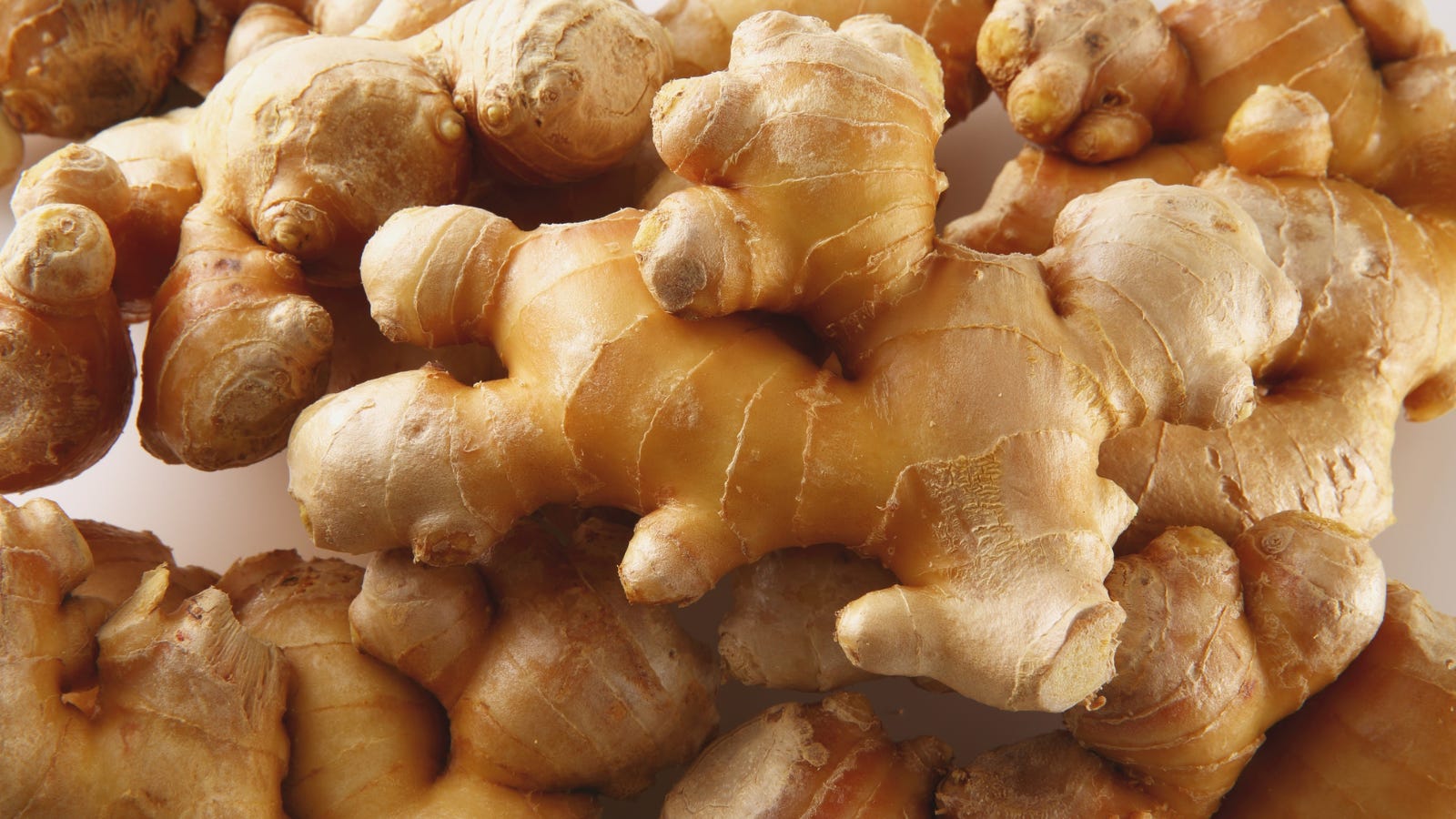
Ginger → Digestive Support
Ginger contains natural compounds that have been studied for their role in supporting digestion and helping with nausea. While not always turned into pharmaceuticals, it’s widely used in both traditional and modern wellness practices.
What OTC Medications Contain
When you look at a medication label, you’ll typically see:
Active ingredient(s): the specific compound responsible for the intended effect
Inactive ingredients: fillers, binders, and stabilizers used in manufacturing
The active ingredient is usually:
Isolated from a source (natural or synthetic)
Standardized for consistent dosing
Tested for safety and effectiveness within regulatory guidelines
This is part of what makes modern medicine predictable in its effects.
Plants vs. Isolated Compounds
A key distinction to understand:
Plants contain a complex mixture of compounds working together
Pharmaceuticals typically contain a single isolated compound in a controlled dose
Neither approach is inherently “good” or “bad”, they are simply different tools with different purposes.
Why This Is Something to Personally Research
This is where it’s important to slow down and think critically. Rather than simply accepting any one perspective, whether it comes from a label, a commercial, social media, or even a blog like this, it’s worth doing your own deep, independent research.
That means:
Looking at primary sources when possible
Reading from multiple viewpoints
Understanding the difference between anecdotal use, traditional use, and clinical research
Being aware of how information is presented and who is presenting it
Health decisions are personal. What works or makes sense for one person may not be the same for another. The goal isn’t to follow one voice, it’s to become informed enough to make your own decisions with clarity.
A More Grounded Way to Think About It
Understanding the connection between plants and pharmaceuticals doesn’t mean rejecting modern medicine.
It simply means recognizing that:
Many modern compounds have roots in natural sources
Plants have long been part of human health practices
Modern science refined and standardized those compounds for specific uses
Both traditional knowledge and modern research contribute to the broader picture.
Once you start seeing how much of modern medicine is connected to plant compounds, it changes how you view both your medicine cabinet and your garden.
It can prompt questions like:
What am I using and why?
Do I understand how this works?
Have I taken the time to learn about alternatives and supporting practices?
Those are the kinds of questions that lead to better long-term awareness.
Continue Learning: The Plants Behind Traditional Remedies
Long before modern medicine, people looked to the plants growing around them for ways to support their households. Many of the compounds studied in modern medicine began with discoveries made from plants, herbs, and natural sources.
Learning about herbs is not about replacing professional medical care. It is about understanding traditional knowledge, growing useful plants, and becoming more connected to the natural world around us.
If you want to learn more about growing, preserving, and using herbs in everyday life, these resources are a great place to start:
→ 12 Months of Herbal Projects: What to Make Every Month of the Year
A seasonal guide to creating simple herbal preparations throughout the year using the plants available in each season.
→ Grow Your Own Medicine Cabinet
Learn which herbs are easy to grow, how to plan your garden, and how to start building your own home apothecary.
→ Fresh vs Dried Herbs: When Each One Matters
Learn how to harvest herbs at their peak and store them properly so you can use them throughout the year.
→ Medicinal Herbal Teas You Can Grow at Home
Explore simple ways to use homegrown herbs in everyday kitchen and wellness routines.
→ How to Make Calendula Salve at Home
Learn the basics of creating a traditional herbal preparation using simple ingredients.
Want to build your own home apothecary?
Inside the Members Library, you’ll find deeper guides, seasonal projects, printable planners, and practical resources to help you learn traditional skills and create a more self-sufficient home.
If this kind of deeper, more intentional approach to everyday life resonates with you, I’d love to have you follow along. Subscribe so you don’t miss future posts, and share this with someone who’s starting to take a closer look at what they bring into their home.
Until next time,
Melissa
The Book of Revelation 22:2 reveals that the powers of healings are in the trees. God Gave us all we needed for healing power. Maybe first we prosecute and imprison those trying to destroy us - and send all that research money to finding and testing our natural remedies. For instance - my daughter has high ADHD - but you'd never know it if you lived with her. A friend told us about L-Theanine + caffeine as a natural remedy - and we totally removed her from controlled substances years ago. She said the combination of 200 mg of L-Theanine coupled with caffeine worked BETTER than Methylamphetamine or Focalin. We tested it over a summer, and we are so glad we did. My daughter is on NO PSYCHOTROPICS - so why wouldn't our medical establishment recommend over the counter supplements rather than controlled substance. Big Pharma big money "brought to you by Pfizer" and Eli Lily of course.
Really enjoyed this — love learning the plant origins behind everyday medicine, willow bark to aspirin especially. Great reminder to stay curious about what's actually in the medicine cabinet. Thanks for sharing, Melissa! Carried with care!