

My Easy Homemade Pasta Recipe (No Fancy Equipment Needed)
The Simple Way to Make Pasta So Good You’ll Forget About Boxed Noodles

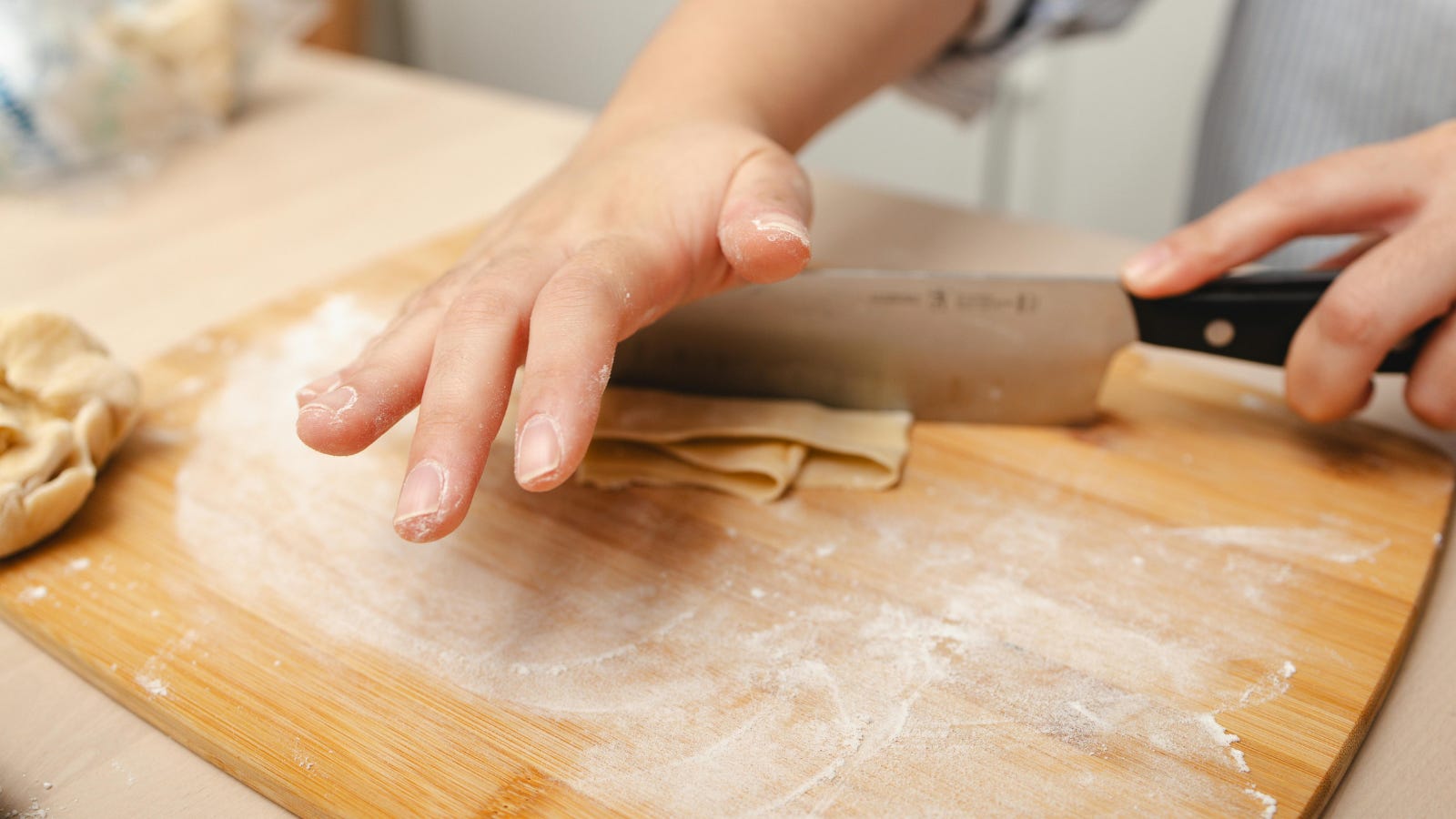
Some people picture a pasta machine sitting on the counter, with perfectly shaped noodles hanging on a drying rack, and a kitchen covered in flour. But you can actually make fresh pasta at home with a few basic ingredients and a rolling pin.
Simple ingredients usually always make something special. Flour and eggs turn into a cheap, delicious meal made in your own kitchen.
Can You Make Homemade Pasta Without a Machine?
Yep.
A pasta machine is helpful because it rolls the dough evenly and cuts noodles quickly, but it’s not required. For generations, people made pasta by hand using tools they already had in their kitchens. A rolling pin works just fine for flattening the dough, and a sharp knife can be used to cut noodles. Once you understand the basics, a pasta machine becomes a convenience instead of something you need.
Why Learn How to Make Fresh Pasta at Home?
Fresh pasta has a different texture than dried pasta from the store. It’s softer and more tender. The ingredients are simple staples you probably already have at home.
Beyond the cost savings and flavor, learning to make foods from scratch gives you more independence from packaged foods. Learning one recipe leads into learning another.
Building a more capable kitchen starts with small systems. If you are working toward a more organized food system, my guide on How to Rely Less on the Grocery Store: Simple Pantry Systems for Busy Families is a good place to continue.
Homemade Egg Noodle Ingredients
2 cups all-purpose flour
3 large eggs
½ teaspoon salt
1–2 teaspoons water, if needed
Some recipes use semolina flour or Italian “00” flour, but neither is required. All-purpose flour works well and is easy to find. The most important part of homemade pasta is not having the perfect flour. It’s learning how the dough should look and feel.
How to Make Homemade Pasta Without a Machine
Prepare the Pasta Dough
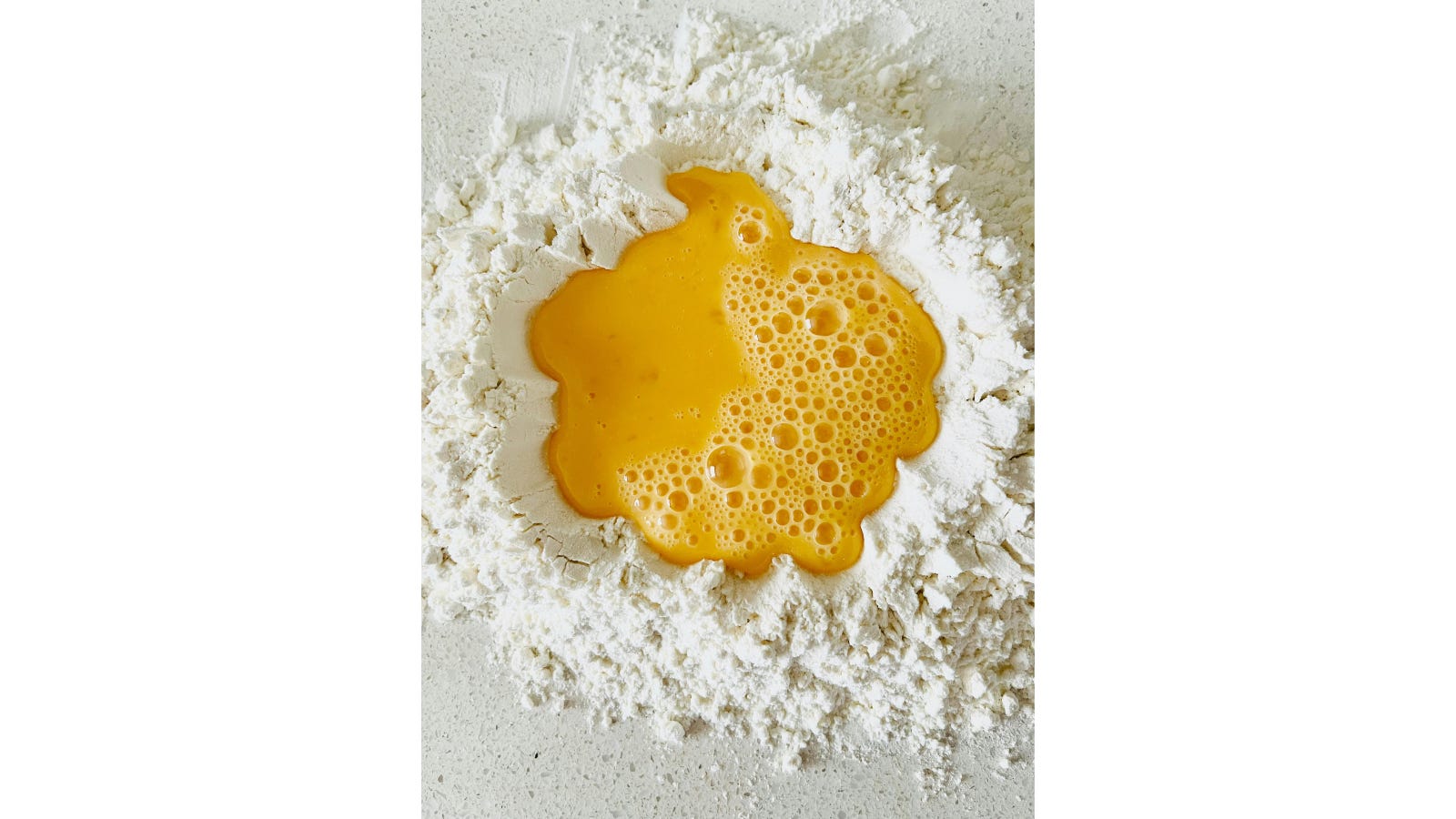
Place the flour on a clean work surface and create a small well in the center. Add the eggs and salt into the middle of the flour. Using a fork, slowly begin mixing the eggs while gradually pulling flour from the sides into the center. Continue mixing until the dough starts coming together.
At first, the dough may look rough and uneven. That’s normal. Homemade pasta dough does not come together instantly. It takes a little time and effort.
Knead the Dough
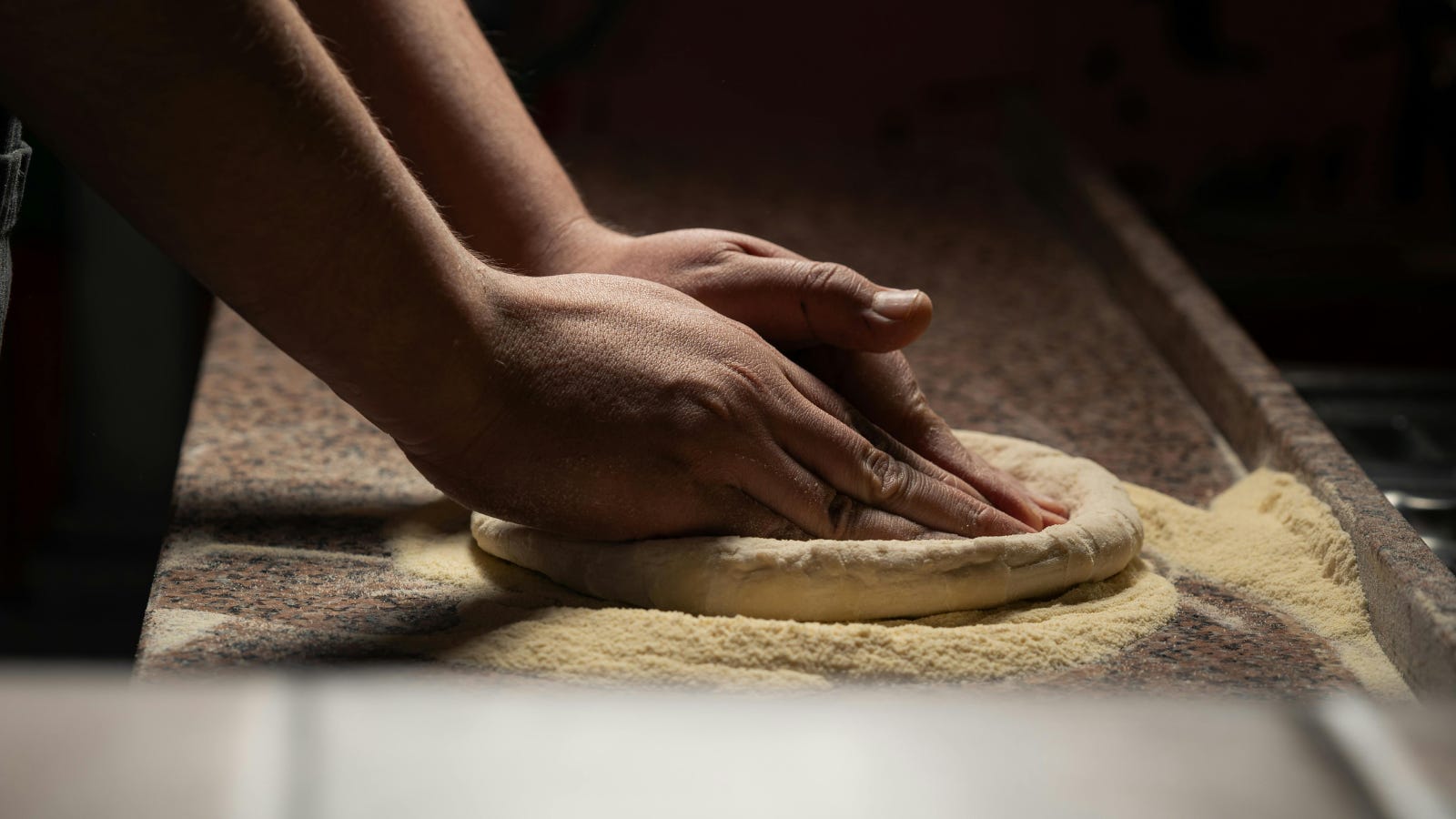
Once the dough has formed, begin kneading it with your hands. Push the dough forward using the heel of your hand, fold it back toward you, and continue repeating the process. Knead the dough for about 8 to 10 minutes.
You will notice the texture changing as you work. The rough dough will become smoother, softer, and more elastic. A properly kneaded pasta dough should feel firm but flexible. It should not be sticky, but it also should not crumble apart.
If the dough feels too dry, add a small amount of water. If it feels sticky, sprinkle in a little more flour.
Let the Dough Rest
Once your dough is smooth, wrap it tightly and let it rest for at least 30 minutes. This step is important because it allows the gluten in the dough to relax. Resting makes the pasta easier to roll and prevents the dough from constantly shrinking back while you work with it. Skipping this step is one of the most common beginner mistakes.
How to Roll Pasta Without a Pasta Machine
After resting, your pasta dough is ready to roll. Lightly flour your work surface and rolling pin. Cut the dough into smaller sections so it’s easier to handle. Roll the dough from the center outward, turning it as you go to keep the thickness even.
For noodles like fettuccine or spaghetti-style pasta, aim for a thin sheet of dough. It doesn’t need to be perfectly uniform. Handmade pasta is part of the charm.
If the dough keeps pulling back or feels difficult to roll, let it rest for another 10 minutes before trying again. The dough is not fighting you. It just needs more time.
How to Cut Homemade Pasta by Hand
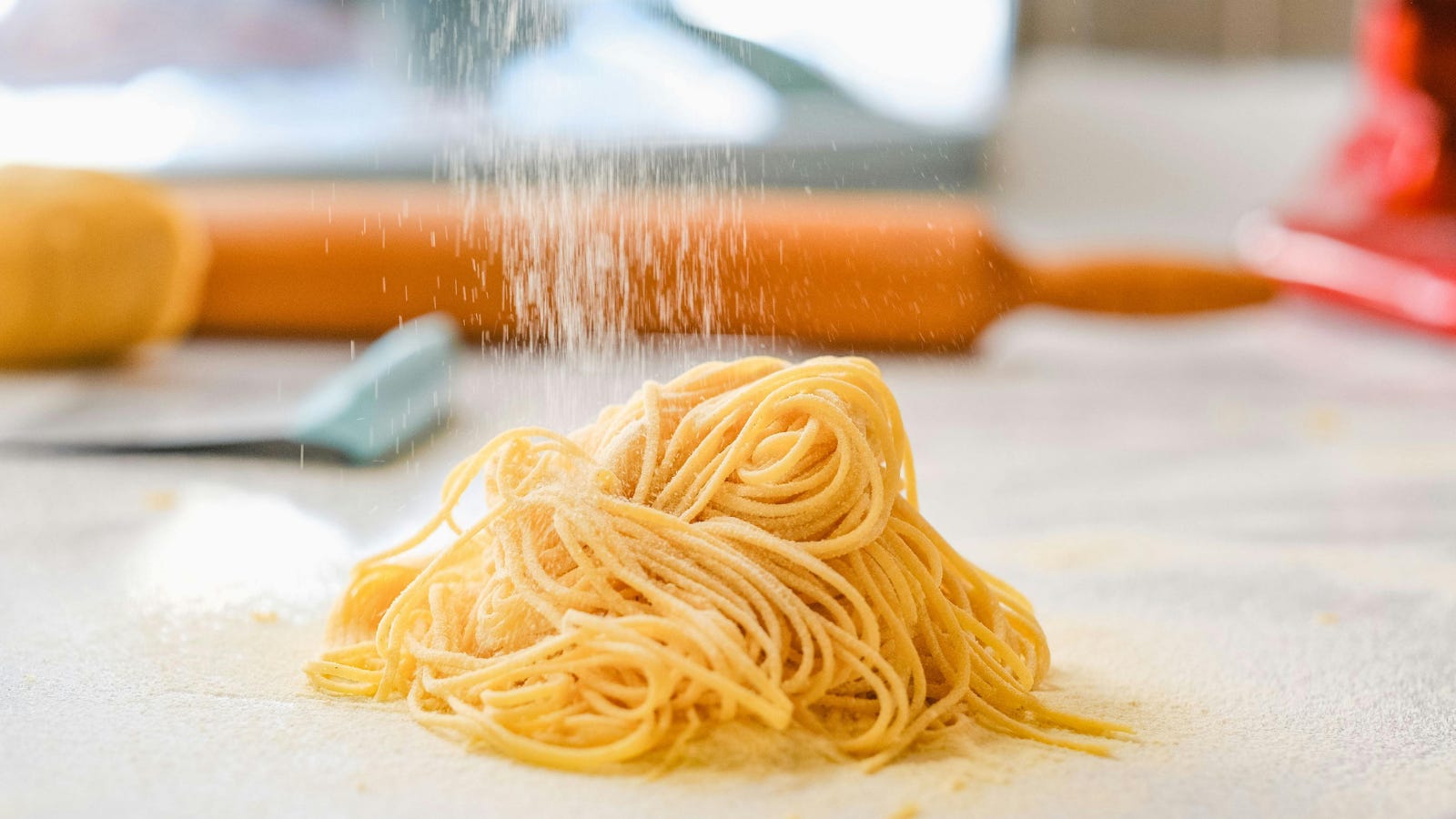
Once your pasta sheet is rolled thin, lightly dust it with flour. You can cut your noodles with a sharp knife.
For wider noodles, slice larger strips similar to fettuccine. For thinner noodles, cut smaller strips.
After cutting, gently separate the noodles and toss them with a small amount of flour to prevent sticking. At this point, your homemade pasta is ready to cook or store for later.
How to Cook Fresh Pasta
Fresh pasta cooks a lot faster than dried pasta. Bring a large pot of salted water to a boil, then add your noodles. Most fresh pasta cooks in about 2 to 4 minutes, depending on the thickness. You are looking for pasta that is tender but still has some texture.
Fresh pasta goes well with simple sauces because the noodles are the star of the meal. A basic tomato sauce, garlic and olive oil, browned butter with herbs, or homemade pesto are all great choices.
Common Homemade Pasta Mistakes
Making fresh pasta is simple, but beginners often run into a few common problems.
The Dough Is Too Sticky
If your pasta dough sticks to your hands or work surface, add flour a little at a time. Avoid adding too much flour at once because it can make the finished pasta tough.
The Dough Is Too Dry
Dry, crumbly dough usually needs a little more moisture. Add water slowly, just a teaspoon at a time, until the dough becomes workable.
The Pasta Is Too Thick
Thicker pasta can become chewy after cooking. If your first batch feels heavy, try rolling the dough thinner next time.
The Pasta Falls Apart While Cooking
This usually happens when the dough was not kneaded enough or the pasta was rolled too thin. Remember, pasta making improves with practice.
How to Store Homemade Pasta
Fresh pasta can be stored in the refrigerator for a day or two. Keep it covered and lightly dusted with flour. For longer storage, freeze your pasta. Place the noodles on a tray and freeze until firm, then transfer them to a freezer-safe container or bag. Frozen pasta can be cooked directly from the freezer. Just add a little extra cooking time.
You can also dry homemade pasta completely and store it in an airtight container, although drying requires careful attention to prevent moisture problems.
Final Thoughts on Making Fresh Pasta at Home
Learning how to make homemade pasta without a machine is not about creating perfect restaurant-quality noodles. It’s about learning a useful skill, knowing that simple ingredients can become something nourishing with a little time and effort.
The first batch may not be perfect. The noodles may not all be the same size. The dough may feel different than you expected. That’s part of learning.
Every kitchen skill starts the same way. You try it, you learn from it, and you become better the next time.
Homemade pasta is a simple place to begin building a more self reliant kitchen.
Once you learn the basics, you’ll always be able to create a fresh meal from a handful of simple ingredients.
Homemade pasta is just one example of how small skills can transform the way you use your kitchen. Growing herbs, preserving garden harvests, making homemade staples, and creating seasonal routines all work together to build a more intentional home.
If you want to continue learning traditional kitchen skills, my 12 Months of Herbal Projects: What to Make Every Month of the Year guide is another way to start creating more homemade products throughout the seasons.
Paid subscriber section:
Want to build more practical kitchen skills beyond homemade pasta?
Inside my paid membership, I share seasonal guides, printable planners, food storage systems, and step-by-step resources designed to help you create a more organized and capable home.
From preserving food to homemaking, planning meals, and building everyday systems, these resources are created to help you rely less on convenience and more on skills you can use for years.
Until next time,
Melissa
My Italian son-in-law gave me an awesome pasta (no fancy tools) cookbook called The Pasta Grannies. It shows the Nonna's homes and techniques. Great fun.
What a wonderfully clear and encouraging guide. I love that you frame the imperfections, uneven noodles, a rough first dough, as part of the learning rather than something to fix before you even start. That message about building a more self-reliant, intentional kitchen one small skill at a time really comes through. Thank you for sharing this.